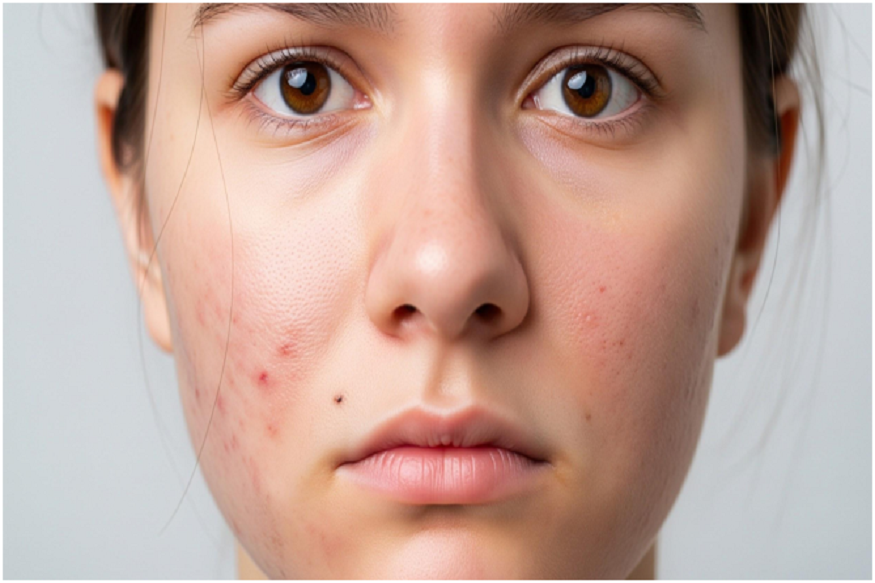
Exfoliation is an essential component of skincare for people who suffer from acne, but in the UAE climate, selecting the correct exfoliant requires extra attention. Your skin develops product reactions because of the combination of high temperatures, humid conditions, and direct sunlight exposure. The procedure aims to eliminate dead skin cells while maintaining pore health because of skin irritation, sensitivity, and breakout management needs. This guide explains how to choose the right exfoliant for acne-prone skin specifically for people who live in the UAE.
Why the UAE Climate Matters for Acne-Prone Skin
The UAE climate is characterized by:
- Hot and humid weather all year round
- High sun exposure and UV radiation
- Dry air due to constant air conditioning
This affects the skin in the following ways:
- High humidity may increase oil production
- Dust, pollution, and sebum may clog pores
- UV and heat may increase skin sensitivity to active ingredients
Exfoliation in the UAE needs to be gentle, consistent, and resistant to environmental stress.
Types of Exfoliants for Acne-Prone Skin
There are two types of exfoliants:
1) Chemical Exfoliants
Chemical exfoliants break down dead skin cells using acids or enzymes, without scrubbing. The product works better for acne-prone skin because it penetrates pores and causes less skin irritation.
- AHAs (Alpha Hydroxy Acids): The group of mild acids includes glycolic acid and lactic acid.
- BHAs (Beta Hydroxy Acids): The compound usually exists as salicylic acid. The substance can dissolve in oil which enables it to enter skin pores, making it effective for reducing blackheads and whiteheads.
- Enzymatic exfoliants: Plant enzymes from papaya, pineapple papain, and bromelain respectively perform gentle skin cell removal through their natural skin cell breakdown process.
2) Physical Exfoliants
They use granules or tools to extract dead skin from the body. People with acne-prone skin should avoid physical exfoliants because these products create micro-tears and cause skin irritation and let bacteria spread.
Chemical exfoliants receive higher usage rates in the UAE because they create less skin irritation in the hot and humid and polluted climate of the region.
How to Choose the Best Exfoliant for You
1. Identify your acne type
– Oily skin with clogged pores and blackheads/whiteheads
Best pick: Salicylic acid (BHA) — oil-soluble, penetrates pores to break down buildup.
– Dull, textured skin with occasional breakouts
Best pick: Low-concentration glycolic or lactic acid (AHA) — smooths texture.
– Sensitive, reactive acne-prone skin
Best pick: Enzymatic exfoliant or low-concentration BHA — gentler on sensitive skin.
2. Exfoliate with Skin-Tolerable Concentrations
The UAE’s intense sun and heat make it difficult for all products to work. Use lower concentrations to play it safe:
- Salicylic acid: 0.5%–2%
- Glycolic acid: 5%–10%
- Lactic acid: 5%–10%
- Enzymatic exfoliants: Follow the instructions on the packaging
You can always move to higher concentrations if your skin can handle it.
3. Think About How Often to Exfoliate
In the UAE’s hot and humid weather conditions, people who exfoliate their skin too much can experience skin irritation, dry skin, and red skin. Please be cautious when you proceed to the next steps.
- Begin with 2-3 times a week
- Gradually increase to daily exfoliating only if your skin can handle it without irritation
Reduce or stop exfoliating if you experience burning, tightness, or flaking
4. Use It with a Proper Skincare Routine
Proper exfoliating requires proper skincare practices:
- Use a gentle, non-stripping cleanser
- Apply a non-comedogenic moisturizer
- Apply broad-spectrum sunscreen with SPF 30+ daily
Sun protection is a must. The exfoliants make the skin more sensitive to sunlight and the UAE sun maintains its strength throughout all months of the year.
Exfoliant Comparison Table for Acne-Prone Skin in UAE
| Exfoliant Type | Target Issues | Ideal For | Pros | Cons |
| Salicylic Acid (BHA) | Clogged pores, blackheads | Oily acne-prone skin | Penetrates pores, reduces oil | Can be drying if overused |
| Glycolic Acid (AHA) | Uneven texture, dullness | Mild acne, textured skin | Improves brightness | Higher irritation risk |
| Lactic Acid (AHA) | Sensitivity, mild exfoliation | Sensitive acne-prone skin | Gentle, hydrating | Less effective on deep congestion |
| Enzymatic Exfoliant | Surface dead skin | Sensitive, reactive skin | Very gentle | Not ideal for deep congestion |
| Physical Exfoliant | Surface roughness | Not recommended | Instant smoothness | Can irritate acne-prone skin |
Best Practices for Using Exfoliants in the UAE
1. Always Use Sunscreen
Exfoliants increase your skin’s vulnerability to ultraviolet radiation. You should apply broad-spectrum SPF 30+ sunscreen every day, even when you are indoors. The United Arab Emirates experiences high ultraviolet radiation throughout the year, which raises the probability of developing dark spots and skin irritation when people do not use protective measures.
2. Avoid Combined Harsh Actives
Do not use exfoliants together with retinoids, benzoyl peroxide, or other potent active compounds. You should use the products on separate nights or only combine them with a dermatologist’s permission.
3. Hydrate and Repair the Barrier
People need to hydrate their skin because it balances their exfoliation process. Select moisturizers that contain ceramides, hyaluronic acid, and niacinamide because these ingredients help shield the skin from irritation and preserve its natural strength.
4. Monitor Seasonal Changes
You should decrease your exfoliation practice during peak summer days while you can continue or increase your practice during the colder months. Your body will react differently to humidity and sun exposure throughout the day.
FAQs
1. Can I exfoliate daily if I have breakouts on my skin?
Not recommended. Exfoliating daily can be too harsh on breakout-prone skin. Begin with 2-3 times a week and increase as needed (only if your skin can tolerate it without irritation).
2. Is salicylic acid better than glycolic acid for acne?
Salicylic acid is better suited for oily skin, while glycolic acid is better for improving skin texture and dullness.
3. Can exfoliants cause breakouts?
Yes, if used too frequently or too harshly. Use lower concentrations and see how your skin reacts.
4. Should I exfoliate before or after washing my face?
Exfoliate after washing to allow the active ingredients to penetrate freely.
5. Is physical exfoliation safe for acne-prone skin?
Physical exfoliants are not recommended for acne-prone skin as they can cause micro-injuries that trap bacteria, especially in hot and humid climates such as the UAE.
6. Can I use exfoliants with SPF?
Yes—but always apply sunscreen after exfoliating. Use broad-spectrum SPF after exfoliating.
Conclusion
The UAE climate requires people to choose gentle chemical exfoliants that effectively treat their acne-prone skin through skin-safe methods. Salicylic acid works well for oily, congested skin, while lactic acid and enzymatic exfoliants suit sensitive or reactive skin. Hot humid environments with strong sun exposure require people to maintain proper hydration and sun protection while they balance their exfoliation activities.
The best exfoliant is not the strongest one, but the one that is suitable for your skin type and climate. With the right exfoliant, frequency, and protection, such as options from Paulas Choice, you can keep your acne-prone skin irritation-free even in the UAE sun.
About the Author